When maintaining a healthy plumbing system, it is essential to understand the difference between the main sewer line and regular drain cleaning. While most people may use these terms interchangeably, they are different components. At Mr. Rooter Plumbing, we are here to share pertinent information and offer guidance to help you make informed decisions for your home. Our trained and certified plumbers in South Jersey understand the complexities of each process, ensuring the highest standards in every cleaning project. Let’s explore the difference between the main sewer line and regular drain cleaning.
Understanding Drain Cleaning
As the name suggests, drain cleaning refers to the unclogging and cleaning of individual drains. Drains play a crucial role in residential and commercial properties, carrying wastewater and other substances from bathrooms, showers, toilets, and kitchens. Over time, debris like grease, food waste, soap scum, hair, and mineral buildup can accumulate in these drains, obstructing water flow and causing blockages if left unchecked. The last thing you want is to shower in a puddle or rinse dishes in an overflowing sink.
If you notice slow drains or blocked drains, it is essential to address the issue as soon as possible. While plunging may offer temporary relief, recurring issues suggest a more severe underlying problem. Small issues can worsen and lead to flooding, structural damage, and mold growth, which are expensive to resolve.
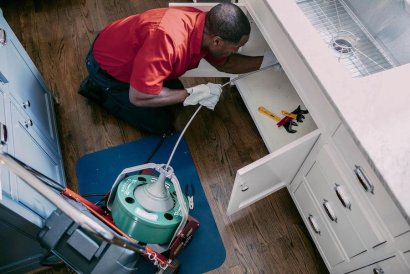
During maintenance, plumbing repair service providers use professional-grade equipment and proven techniques to remove accumulated waste and restore water flow. This may include high-pressure water jetting to thoroughly clean pipes and ensure smooth flow through individual fixtures. Although DIY methods may seem straightforward, they cannot match the quality experts bring to every job.
Understanding Main Sewer Line Cleaning
On the other hand, main sewer line cleaning focuses on the pipe that connects your building’s plumbing to the septic tank or municipal sewer system. This line is responsible for carrying wastewater and other waste from different drains. With this in mind, addressing sewer line blockages before they become widespread issues is crucial.
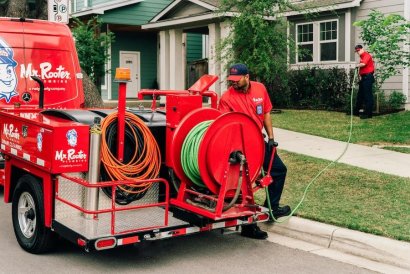
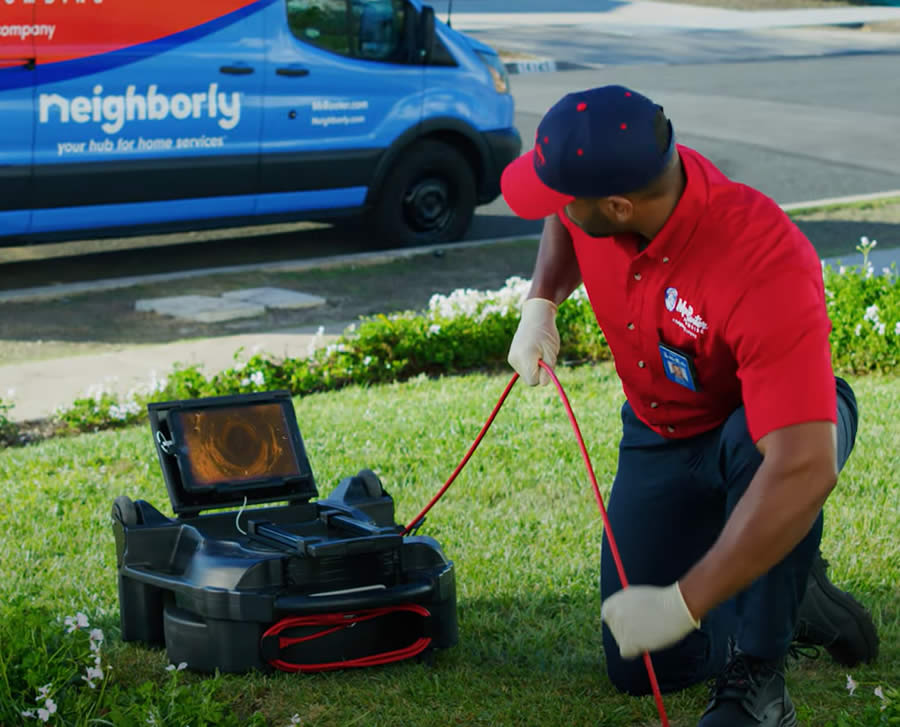
Sewer line cleaning involves thoroughly clearing obstructions to restore proper flow. Plumbers leverage advanced techniques, such as video camera inspection, to pinpoint the blockage and determine the extent of the damage. Depending on the severity, experts can utilize methods such as hydro jetting to thoroughly scour the interior and remove stubborn clogs, accumulated debris, or even tree roots.
Once smooth flow is restored, expect the plumber to flush your sewer line with pressurized water to clear residue. The final step, based on the condition of the sewer system, is pipe lining. This is a trenchless repair process that seals the inner pipe lining from deterioration and future damage. After completing these steps, rest assured that your plumbing system is in good working order.
Why Professional Help Matters
While DIY methods may seem ideal for minor drain clogs, hiring a licensed plumbing repair service for sewer line and drain cleaning is highly recommended. Unlike untrained individuals, professionals leverage extensive expertise and understand the intricacies of plumbing systems to accurately diagnose and address hidden issues.
Additionally, plumbers have access to specialized tools and equipment to effectively clear buildup and restore proper system function. Even if DIYers may opt for a more hands-on approach, they often use conventional tools like plungers and augers, which have a limited range. When you hire plumbers to inspect, diagnose, and clean your pipes, expect them to arrive with the proper equipment for the job.
At Mr. Rooter Plumbing, we specialize in sewer line and drain cleaning services. Our plumbers utilize specialized tools, knowledge, and experience to restore efficiency without disrupting your daily life. Contact us today to book an appointment with our experts for professional assistance and lasting results at friendly rates.