Are you tired of foul smells emanating from your drains? If you regularly use chemical cleaners or natural ingredients to clear sewer odors, the problem is likely bigger and deeper within the system. A smelly drain is not just unpleasant; it is a warning sign that you need to call a plumber quickly. From accumulated food waste and other debris to a backed-up septic tank, the causes of smelly drainage can vary. At Mr. Rooter Plumbing, we specialize in residential and commercial drain cleaning, helping property owners eliminate odors and restore fresh, smooth-flowing drains. Let’s delve into the common causes and fixes of foul-smelling drains to help you make informed decisions.
Common Causes of Smelly Drains
Nothing is more frustrating than a persistent unpleasant smell from your drainage, especially after attempting DIY methods. If you constantly experience this problem throughout your plumbing layout, here are the most common causes to inform your decisions.
Food & Grease Build-Up
Kitchen sinks are often the paths food waste and other items end up in the drain. Whether it is leftovers, FOG (Fats, Oils, and Grease), or even soap scum, build-up in the drains can adhere to the pipes and obstruct waste. These blockages attract bacteria and decay, producing nasty odors that ruin your home’s comfort.
Soap Scum & Hair
Bathroom plumbing often collects hair, soap scum, and dirt, which form clogs in the pipes and obstruct water flow. Over time, bacteria can accumulate in these areas, producing rotten egg-like smells that disrupt the comfort of your home. If you notice unpleasant smells when showering or flushing the toilet, it may be time for professional plumbing repair services. Expert plumbers can locate clogs, assess the extent of the damage, and recommend solutions to restore functionality and comfort.
Dry P-Trap
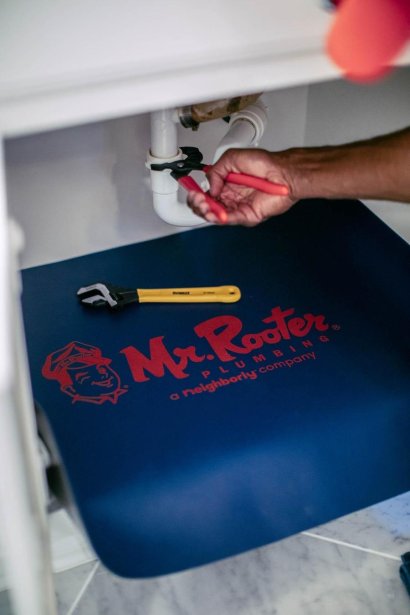
Despite the term P-trap, this is the U-shaped pipe under your sink designed to hold water and prevent sewer smells from coming up through the drain or plughole. If the P-trap dries out, sewer smells back into your home and causes discomfort. In such cases, taking a proactive approach toward maintenance can help maintain sufficient moisture in the P-trap, preventing devastating scenarios down the line.
Sewer Line Issues
A cracked or broken sewer line can allow trapped gases to escape into your living spaces, leading to discomfort, safety concerns, and even health hazards. If you constantly deal with foul smells near sewer lines or outside around the tank and drain field, act quickly before things get out of hand.
Proven Solutions to Eliminate Smelly Drains
Frequent foul smells from drains in your home are not just a nuisance; they are red flags you shouldn’t ignore. If you prefer a more hands-on approach to drain cleaning, plunging is an effective technique that can help dislodge minor blockages in your bath, sink, or shower. However, plunging resolves minor blockages and doesn’t address deeper clogs within the system.
If plunging doesn’t work, pour 1 cup of baking soda and the same amount of vinegar down the drain, and let the mixture settle for about 20 minutes. Once the fizzing stops, rinse the drain with hot water to push the blockage down into the main sewer line. It is important to note that boiling water can damage the pipes, so ensure the temperature is not too high.
If both DIY drain cleaning methods don’t work, it may be time for professional help. Call a reputable plumbing repair service to inspect, diagnose, and recommend the best course of action. At Mr. Rooter Plumbing, we provide comprehensive drain cleaning services, ensuring your drainage system remains healthy throughout. Contact us today and request a quote to enjoy fast, safe, and functional drains.