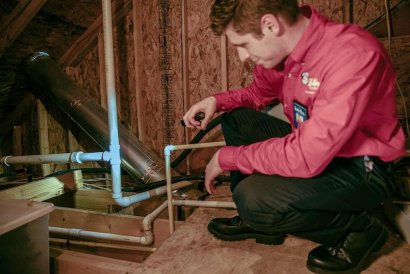
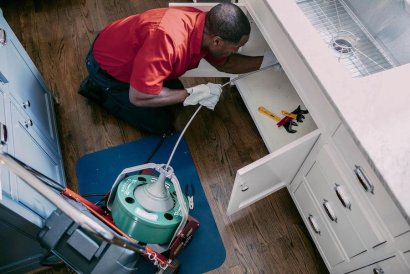
Do you have a kitchen renovation scheduled? Are you looking to undertake a garbage disposal replacement or installation? If so, it is crucial to note that there’s no one-size-fits-all when it comes to garbage disposals. Although the drain size for garbage disposals under most kitchen sinks is standard, different layouts have varying spaces. This means that careful selection is key to ensuring a functional and reliable setup. At Mr. Rooter Plumbing, we understand that different plumbing layouts, cabinets, and disposal sizes can impact how every unit fits. Let’s delve into what makes these kitchen appliances “universal” to ensure you make informed decisions.
How a Garbage Disposal Works
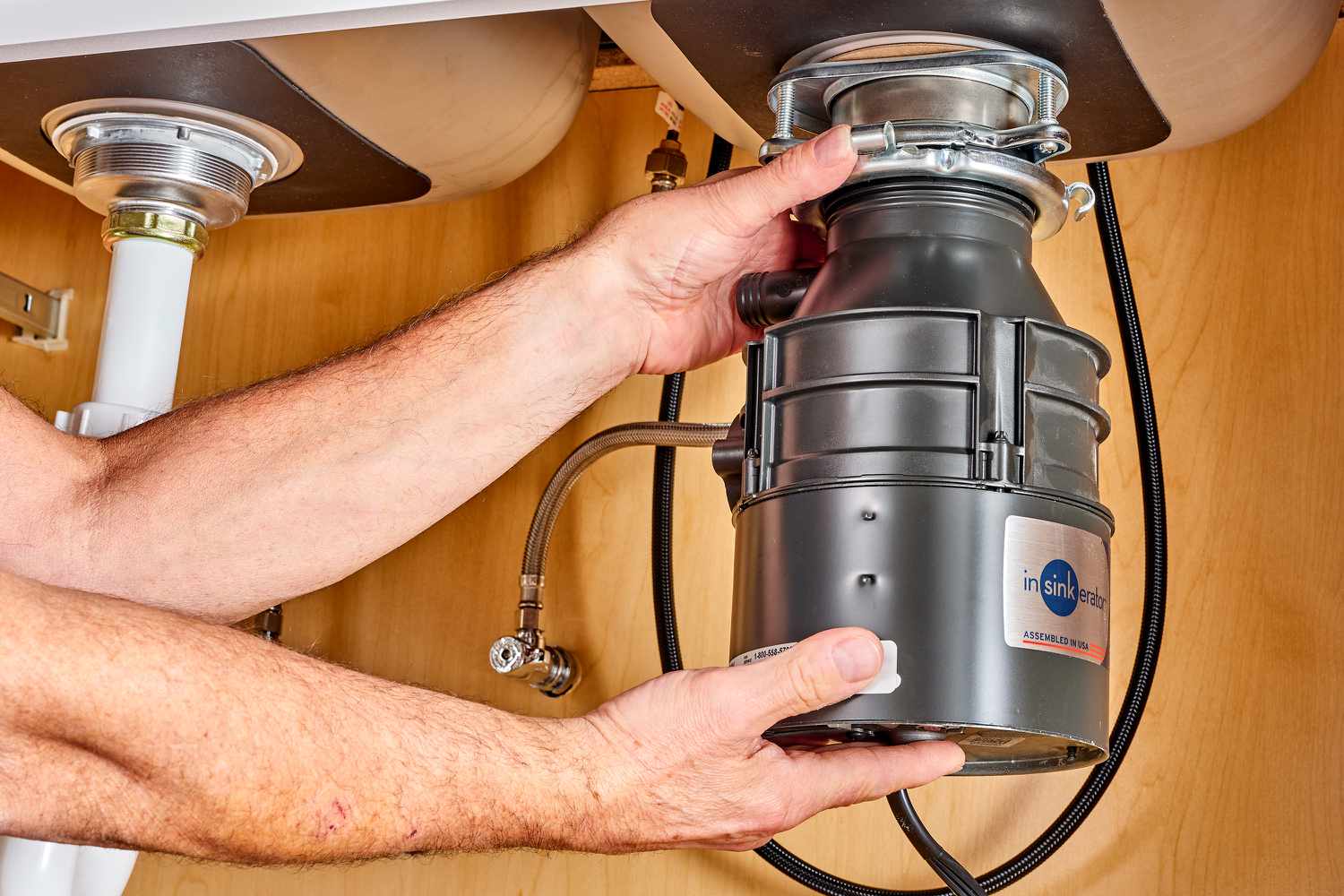
Garbage disposals play a crucial role in keeping kitchen spaces clean and functional. However, they are pretty straightforward and don’t require training to use. At the core of every garbage disposal system is a mechanical grinder that breaks down food waste into more manageable sizes, making it easier to go down the drain. Instead of blades whirling around, disposal units use a combination of a grinding ring and impellers to break down food.
When considering a garbage disposal replacement or installation, familiarizing yourself with the various components goes a long way to ensure efficient and smooth function. A licensed plumber in South Jersey understands the power and size of different components, helping you choose the right disposal for your home.
Types of Garbage Disposals
Garbage disposals come in two types: batch feed and continuous feed. Each disposal system has its own pros and is suited for certain kitchen setups.
Batch feed disposals are designed to activate the grinding process after loading food waste and closing the stopper. This makes it safe for daily use since it does not run without closing the stopper and ensuring it is secure in place. Despite the enhanced safety for homes with children, garbage disposals are slower and less convenient.
On the other hand, continuous feed disposal systems are the most common and allow users to keep adding food waste during operation. This means it is convenient for those who have larger families or those who frequently cook. Unlike the latter, all you need to do is flip a switch, and you are good to go. However, running continuously increases the risk of accidents if you are not careful.
When choosing the right system for your needs, consult a certified plumber to ensure the correct power rating, typically between 1/3 hp and 1 hp. The higher the power rating, the better the system’s grinding efficiency, especially for harder food waste.
What Can Go in a Garbage Disposal
After a successful garbage disposal replacement, most people just toss everything down the sink flange. However, not everything belongs there. If you don’t want sudden breakdowns or costly plumbing repair services, take time to understand what’s safe to grind and what can cause trouble down the road.
Whether you have a continuous feed or a batch feed disposal, it can handle organic waste like vegetable and fruit scraps. These items easily break down when you activate the system, making the disposal of organic waste efficient.
Conversely, disposing of fibrous foods, grease, coffee grounds, large bones, eggshells, and other non-food items can cause blockages. Knowing what can and can’t go down your disposal is key to keeping it running smoothly and helping prevent costly plumbing repair services.
Consult a Professional Plumber
Selecting a garbage disposal for your home is more than just picking the first unit you find; it is about understanding the unique needs of your kitchen. This includes the size of your under-sink space, the amount of food waste you generate, and safety concerns. Contact Mr. Rooter Plumbing to book an appointment with our experts and enjoy quality garbage disposal services tailored to your needs and budget.